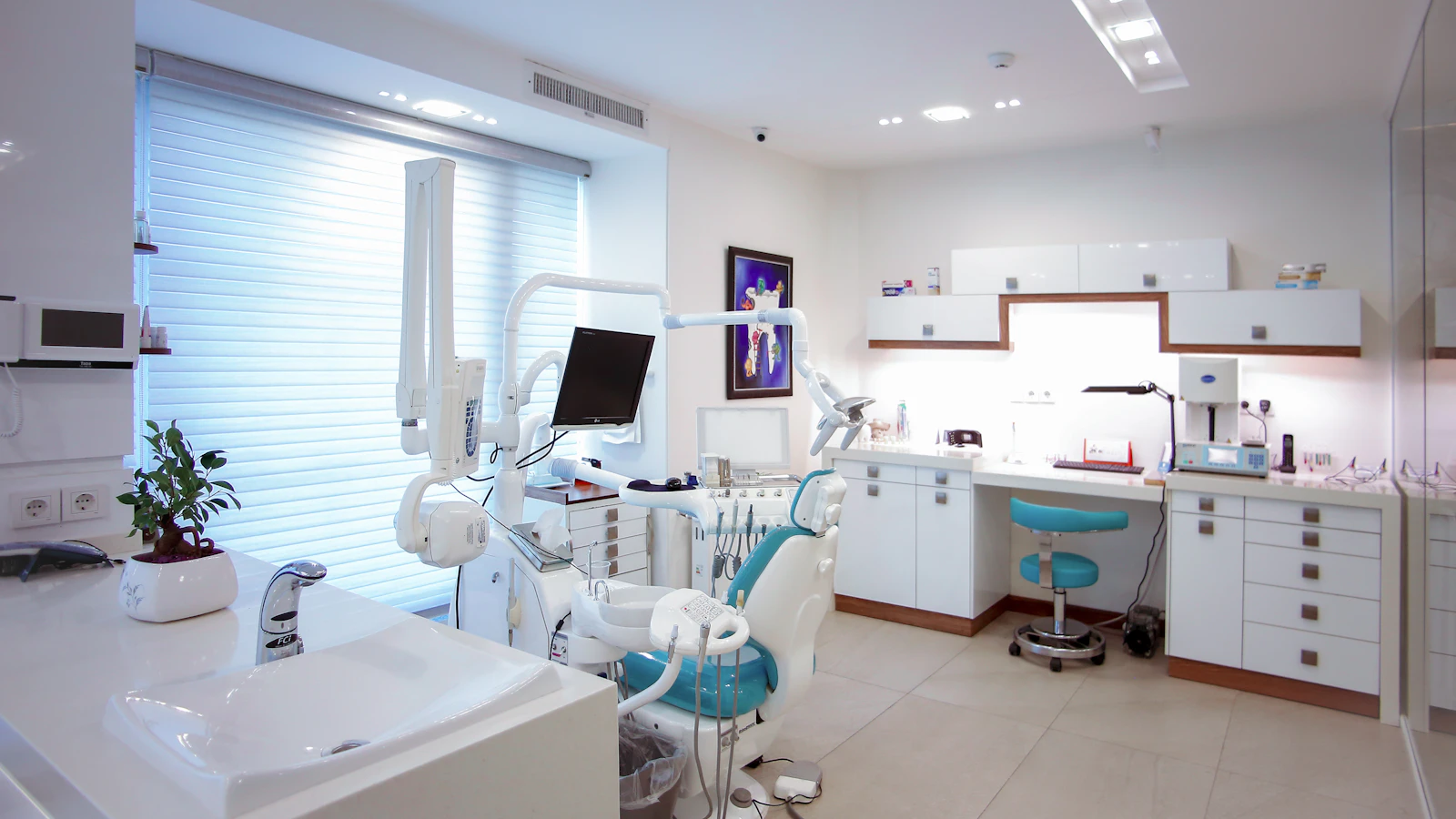
The setup. In Q4 2025 we ran an identical 90-day review-growth playbook across three independent dental practices — a family practice in Phoenix, a cosmetic-focused practice in Austin, and a multi-location group in Charlotte. All three started under 4.3★ on Google. All three crossed 4.7★ within 90 days; two crossed 4.9★. Same playbook, three different markets.
This isn't a generic "ask for reviews" post. It's the templates, the timing, and the friction-removal we actually used.
Why most dental review programs fail
The number-one reason isn't ethics or compliance. It's follow-through. Most practices ask for reviews verbally at checkout, the patient forgets, and nothing happens. Across a sample of 50 practices we audited in 2024, the median request-to-review conversion rate was 1.6%. Industry top quartile: 8–12%. The playbook below averaged 11% across the three practices.
The 4-touch sequence (with templates)
Touch 1 — same-day, in-clinic verbal ask + QR card. The patient-facing assistant says: "If you have a moment later today, would you mind sharing your experience? It really helps other families in [city] find us. Here's a card with the link." No pressure, no specific platform — let them choose.
Touch 2 — next-day SMS. Single message, 11pm-safe local time: "Hi [first name], it was great seeing you yesterday. If you have 60 seconds to share your experience, here's the link — thank you! [URL]"
Touch 3 — day 4 email if no review yet. Subject: "Quick favor?" Body: 60 words, no graphics, link in the second sentence.
Touch 4 — day 14 if still nothing. One final softer ask, optional. Most practices skip this — we found it adds ~1.5% to total response rate.
That's it. No discounts, no contests, no rewards (which would violate HIPAA and Google's review policies).
The HIPAA-compliant response template stack
You cannot acknowledge in a public review response that the reviewer was your patient. This is non-negotiable — HHS has issued multiple settlements over this specific violation (the 2022 Manasa Health Center fine being the most cited example).
The safe template:
"Thank you for the kind words. We appreciate every piece of feedback as it helps our entire team improve. If you'd like to discuss anything further, please call our office at [phone]."
For negative reviews:
"We take all feedback seriously and would like to discuss your experience directly. Our office manager can be reached at [phone]. We're committed to resolving any concerns."
Both templates avoid: confirming the patient relationship, referencing the visit, naming the procedure, or providing any treatment detail. Eleven words is roughly the safe ceiling for specificity.
The 90-day metrics across the three practices
Practice A (Phoenix family): 4.2★ → 4.8★. 47 new reviews. 11.3% request-to-review conversion.
Practice B (Austin cosmetic): 4.3★ → 4.9★. 38 new reviews. 12.1% conversion.
Practice C (Charlotte group, 3 locations): 4.2★ → 4.7★ aggregate. 124 new reviews. 9.8% conversion.
Across all three: zero HIPAA violations, zero Google removals, one minor [Yelp](https://thereviewmakers.com/yelp-review-management) filter event (resolved).
What the playbook deliberately doesn't include
- No incentives. Cash, discounts, free whitening kits — all violate Google and FTC rules.
- No third-party review-gating tools. The 'send happy patients to Google, unhappy to a form' tactic is banned under Google's 2018 policy update.
- No bulk SMS blasts. Each ask is tied to an actual recent visit.
- No fake reviewer accounts. Ever.
Discipline + compliance + cadence. That's the entire formula.
What we'd change if we ran it again
Three practices, one playbook — but it wasn't flawless, and the honest retrospective is more useful than a victory lap. The Charlotte group under-performed the other two (4.7 vs 4.9) for a specific reason: their front desk handled the verbal ask inconsistently across three locations. Where the ask was scripted and habitual, conversion hit 12%; where it was 'whenever staff remembered,' it dropped to 6%. The system only works if it's a system.
If we re-ran it, we'd spend week one purely on staff training and a printed one-line script at every checkout station, before touching any SMS or email automation. The technology was never the bottleneck — the human handoff was.
The metric most practices track wrong
Owners obsess over the star average. It's the wrong number to watch day-to-day. A practice sitting at 4.6 with 400 reviews barely moves when 10 new five-stars land — the average is too anchored. What actually moves rankings and patient trust is review recency and velocity: how many genuine reviews you've collected in the last 90 days.
Google's local system and the AI engines both favour a steady drip of recent reviews over a stale pile, however large. We coach practices to ignore the headline average for the first two months and watch a single number instead: new reviews per week. Get that to 4–6 consistently and the average takes care of itself.
"The difference between a 4.2 and a 4.9 practice isn't service quality — it's the request system. Most practices are losing reviews they've already earned."
— Senior strategist, The Review Makers


